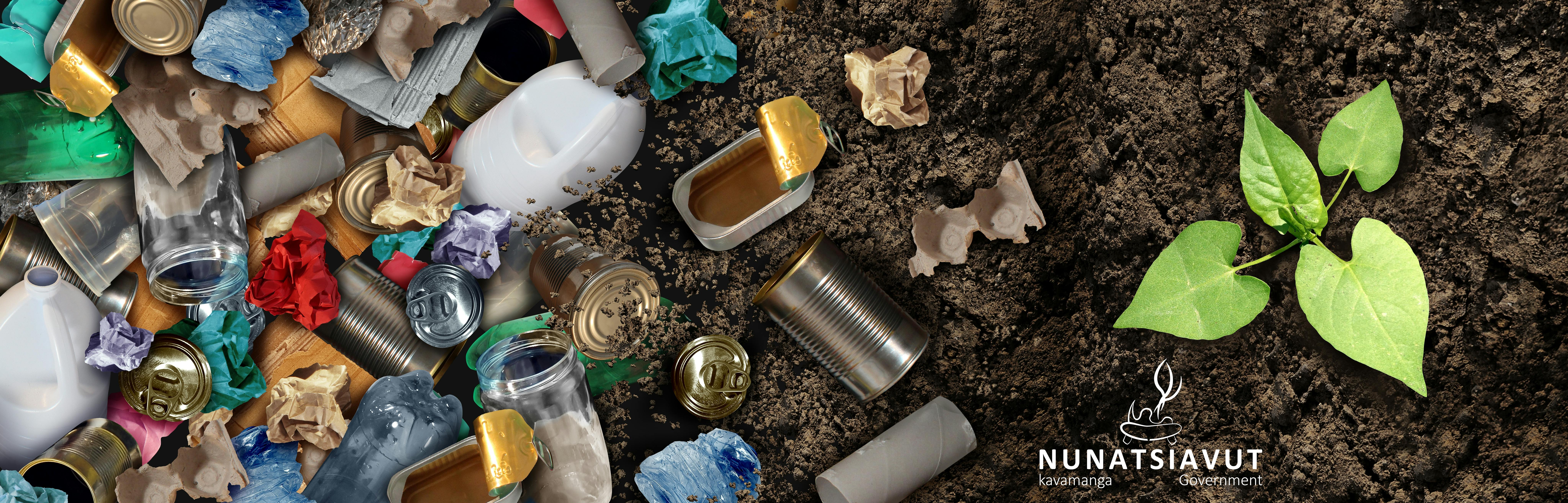
Nunatsiavut Waste Management Action Plan
We want to hear from you!
The Nunatsiavut Government Infrastructure Division and the Inuit Community Governments along with Dillon Consulting Limited is creating an Interim Waste Management Action Plan, an Operational Plan, and Concept Designs specifically for the needs of Nain, Hopedale, Makkovik, Postville, and Rigolet.
This project is about waste management in our communities. Waste management is the process of collecting, transporting, processing, recycling, and/or disposing of waste materials in a safe and efficient manner. We will look at new information and listen to what residents have to say to come up with the plan. During community engagement sessions we will talk about:
- How garbage is collected and disposed
- Recycling and composting opportunities
- How to manage household hazardous wastes
- How to communicate waste management programs
Our project will update a study from 2017 by collecting new best practices and current information, along with the opinions of residents and community representatives. The goal is to provide both immediate and long term recommendations to improve current waste management infrastructure and operations in these areas. The results will be part of a larger plan called Pingutitsinik Nunatsiavut: Create Nunatsiavut Infrastructure Strategy.
Your feedback is important to us. Take the survey below to have your say.
We want to hear from you!
The Nunatsiavut Government Infrastructure Division and the Inuit Community Governments along with Dillon Consulting Limited is creating an Interim Waste Management Action Plan, an Operational Plan, and Concept Designs specifically for the needs of Nain, Hopedale, Makkovik, Postville, and Rigolet.
This project is about waste management in our communities. Waste management is the process of collecting, transporting, processing, recycling, and/or disposing of waste materials in a safe and efficient manner. We will look at new information and listen to what residents have to say to come up with the plan. During community engagement sessions we will talk about:
- How garbage is collected and disposed
- Recycling and composting opportunities
- How to manage household hazardous wastes
- How to communicate waste management programs
Our project will update a study from 2017 by collecting new best practices and current information, along with the opinions of residents and community representatives. The goal is to provide both immediate and long term recommendations to improve current waste management infrastructure and operations in these areas. The results will be part of a larger plan called Pingutitsinik Nunatsiavut: Create Nunatsiavut Infrastructure Strategy.
Your feedback is important to us. Take the survey below to have your say.
-
Rigolet Community Visit - October 3, 2024
Challenges Opportunities - Not enough disposal / landfill capacity
- Air emission concerns with open burning
- Attracting animals / pests at waste sites
- Differences in waste diversion opportunities
- Challenges to bring in new ways to recycle and manage hazardous waste
- Need to improve engagement and education on waste practices
- Overcoming operational challenges like securing access to waste sites
- Enhancing recycling programs
- Collaboration with neighbouring communities
- Increasing community engagement and education
- Diverting food and other organic waste from disposal
- Improving infrastructure
- Improving operations at waste sites
- Forming strategic partnerships (such as producer responsibility organizations)
Challenges Opportunities - Not enough disposal / landfill capacity
- Air emission concerns with open burning
- Attracting animals / pests at waste sites
- Differences in waste diversion opportunities
- Challenges to bring in new ways to recycle and manage hazardous waste
- Need to improve engagement and education on waste practices
- Overcoming operational challenges like securing access to waste sites
- Enhancing recycling programs
- Collaboration with neighbouring communities
- Increasing community engagement and education
- Diverting food and other organic waste from disposal
- Improving infrastructure
- Improving operations at waste sites
- Forming strategic partnerships (such as producer responsibility organizations)
-
Makkovik Community Visit - October 4, 2024
Challenges Opportunities - Inadequate recycling programs
- Unplanned fires and air quality
- Debris and wildlife management (e.g., wind blown debris, odours)
- Proximity to the ocean
- Community engagement and education
- Physical and logistical barriers (bedrock at the landfill)
- Enhanced recycling programs (e.g., tire, oil, e-waste)
- Mitigation measures at the landfill (e.g., fences to prevent wind blown debris & reduce unplanned burns)
- Community education and engagement
Challenges Opportunities - Inadequate recycling programs
- Unplanned fires and air quality
- Debris and wildlife management (e.g., wind blown debris, odours)
- Proximity to the ocean
- Community engagement and education
- Physical and logistical barriers (bedrock at the landfill)
- Enhanced recycling programs (e.g., tire, oil, e-waste)
- Mitigation measures at the landfill (e.g., fences to prevent wind blown debris & reduce unplanned burns)
- Community education and engagement
-
Postville Community Visit - October 7, 2024
Challenges Opportunities - Limited recycling infrastructure
- Landfill capacity
- New landfill siting issues
- Environmental concerns
- Lack of supervision at landfill (improper waste disposal of used oil observed)
- Seasonal challenges (proximity of forests requires burning of garbage in the winter to avoid forest fires, short construction window due to long winter)
- Concerns on increased costs for new waste services
- Community engagement and pride
- Interest in organics management
- Expanding current clean-up program
- Improved separation of divertible materials
- Availability of gravel
Challenges Opportunities - Limited recycling infrastructure
- Landfill capacity
- New landfill siting issues
- Environmental concerns
- Lack of supervision at landfill (improper waste disposal of used oil observed)
- Seasonal challenges (proximity of forests requires burning of garbage in the winter to avoid forest fires, short construction window due to long winter)
- Concerns on increased costs for new waste services
- Community engagement and pride
- Interest in organics management
- Expanding current clean-up program
- Improved separation of divertible materials
- Availability of gravel
-
Hopedale Community Visit - October 8, 2024
Challenges Opportunities - Landfill capacity
- Staffing constraints (e.g., high staff turnover)
- Storage and shipping costs
- Community resistance to change
- Increased building activities
- Proximity to water bodies and culturally sensitive areas (e.g., graveyard)
- Partnership with MMSB
- Community driven initiatives
- Public education program (MMSB has a public education program that could be utilized)
- Improved recycling programs (e.g., oil, tires, car batteries)
Challenges Opportunities - Landfill capacity
- Staffing constraints (e.g., high staff turnover)
- Storage and shipping costs
- Community resistance to change
- Increased building activities
- Proximity to water bodies and culturally sensitive areas (e.g., graveyard)
- Partnership with MMSB
- Community driven initiatives
- Public education program (MMSB has a public education program that could be utilized)
- Improved recycling programs (e.g., oil, tires, car batteries)
-
Nain Community Visit - postponed
Due to inclement weather, travel to Nain was postponed a number of times. In lieu of an in-person visit, a virtual waste site visit was completed on November 25, 2024, and strategic interviews were held with members of the community.
Challenges Opportunities - Difficulty adhering to provincial regulations
- Barbed fence around landfill fails to contain litter due to westerly winds, blowing litter into the sea
- Changing winds impact facilitated burns
- Staffing constraints (leading to unauthorized burns and dumping of waste in non-designated locations)
- Minimal recycling efforts (and lack of storage)
- Mitigation measures at the landfill (e.g., fences to prevent wind blown debris & reduce unplanned burns)
- Public education program (MMSB has a public education program that could be utilized)
- Enhancing recycling programs
- Improving operations at waste sites
Due to inclement weather, travel to Nain was postponed a number of times. In lieu of an in-person visit, a virtual waste site visit was completed on November 25, 2024, and strategic interviews were held with members of the community.
Challenges Opportunities - Difficulty adhering to provincial regulations
- Barbed fence around landfill fails to contain litter due to westerly winds, blowing litter into the sea
- Changing winds impact facilitated burns
- Staffing constraints (leading to unauthorized burns and dumping of waste in non-designated locations)
- Minimal recycling efforts (and lack of storage)
- Mitigation measures at the landfill (e.g., fences to prevent wind blown debris & reduce unplanned burns)
- Public education program (MMSB has a public education program that could be utilized)
- Enhancing recycling programs
- Improving operations at waste sites
Lifecycle
-
Phase 1: Background Review and Preparation for Site Visit
Nunatsiavut Waste Management Action Plan has finished this stageWe will review background information, hold interviews with those involved in managing waste and begin identifying potential waste management sites.
-
Phase 2: Site Visit and Preliminary Engagement
Nunatsiavut Waste Management Action Plan has finished this stageWe will visit the communities to conduct site visits and speak with community members to understand their needs and opportunities for improvement.
-
Phase 3: Interim Waste Management Action Plan and Background Report
Nunatsiavut Waste Management Action Plan has finished this stageWe will create a plan based on the information collected in Phases 1 and 2 and identify actions that can be taken in the short term (e.g., 0-3 years).
-
Phase 4: Concept Design and Costing
Nunatsiavut Waste Management Action Plan has finished this stageWe will create concept plans for the recommended waste management infrastructure and prepare a 5-year plan to support implementation.
-
Phase 5: Final Presentation and Report
Nunatsiavut Waste Management Action Plan is currently at this stageWe will present our findings and finalize the project report.
Documents
-
Phase 1 Findings Summary Report (35.1 MB) (pdf)
-
Phase 2 Findings Summary Report (21.3 MB) (pdf)
-
Phase 3 Interim WM Action Plan Report (18.2 MB) (pdf)
-
Phase 4 Concept Plans Report (30.6 MB) (pdf)
-
Phase 5 Presentation (8.74 MB) (pdf)
-
Phase 4 Operational Plan Report (540 KB) (pdf)
-
Phase 5 Project Report (5.26 MB) (pdf)
Who's Listening
-
RM
-
CG
-
AV
Email avigna@dillon.ca -
BV
Email bvarghese@dillon.ca
Key Dates
-
September 01 → November 28 2025
-
August 2025
-
June 2025
-
May 2025
-
February 21 2025
-
January 17 2025
-
November 29 2024
-
November 06 2024
-
October 03 → November 06 2024
-
July 15 2024